
Welcome to LJM Fire Solutions, your trusted partner for dry riser maintenance across the UK.
Dry risers are designed to deliver pressurised water quickly in the event of a fire emergency. At LJM Fire Solutions, we specialise in the inspection, testing and maintenance of dry riser systems, ensuring that these vital systems remain ready to protect your property and occupants.
All servicing is carried out in line with current UK regulations and BS9990:2015, helping building owners and responsible persons meet their legal obligations.
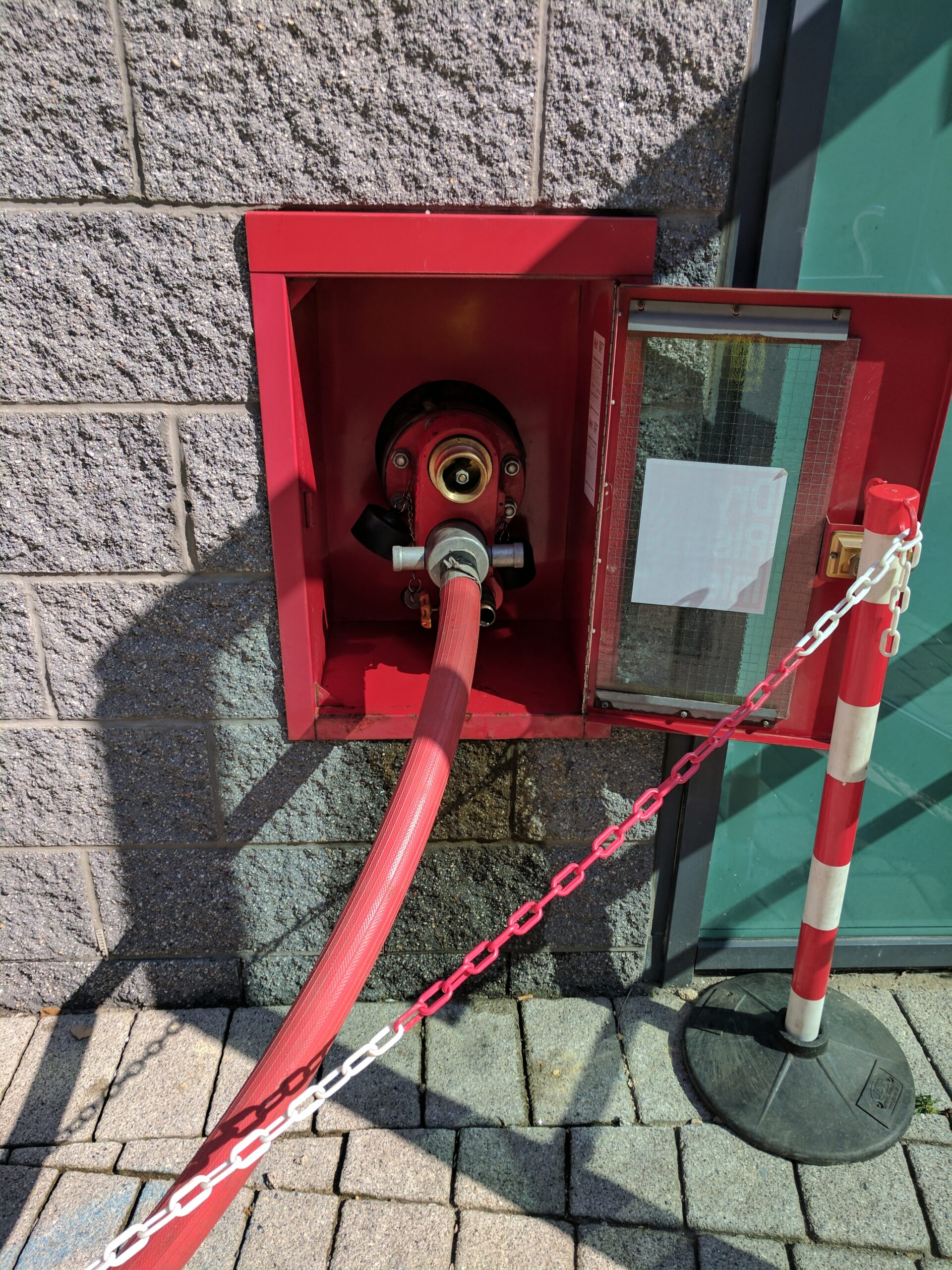
The Inner Workings of a Dry Riser
A dry riser is a vertical pipe system installed in multi-storey buildings, typically between 100-150mm in diameter, designed to support firefighting systems in larger or high-rise buildings. Under normal conditions, this system remains “dry” or empty, meaning it is not permanently charged with water.
At each floor level, often within stairwells, key components such as Landing Valves are installed to allow firefighters to access water throughout the building. At ground level, outside the building, the system is connected via a Dry Riser Inlet, also known as an Inlet Breeching, where the fire brigade can connect a fire engine.
When a fire occurs, firefighters connect their equipment to the Inlet Breeching. They then carry hoses to the affected floor and attach them to the Landing Valves. Once connected, the fire engine pumps water into the dry riser, allowing it to be distributed through the pipework to the upper floors. This efficient system ensures a reliable and robust response to fires in tall buildings, helping fire services tackle a fire more quickly and effectively.
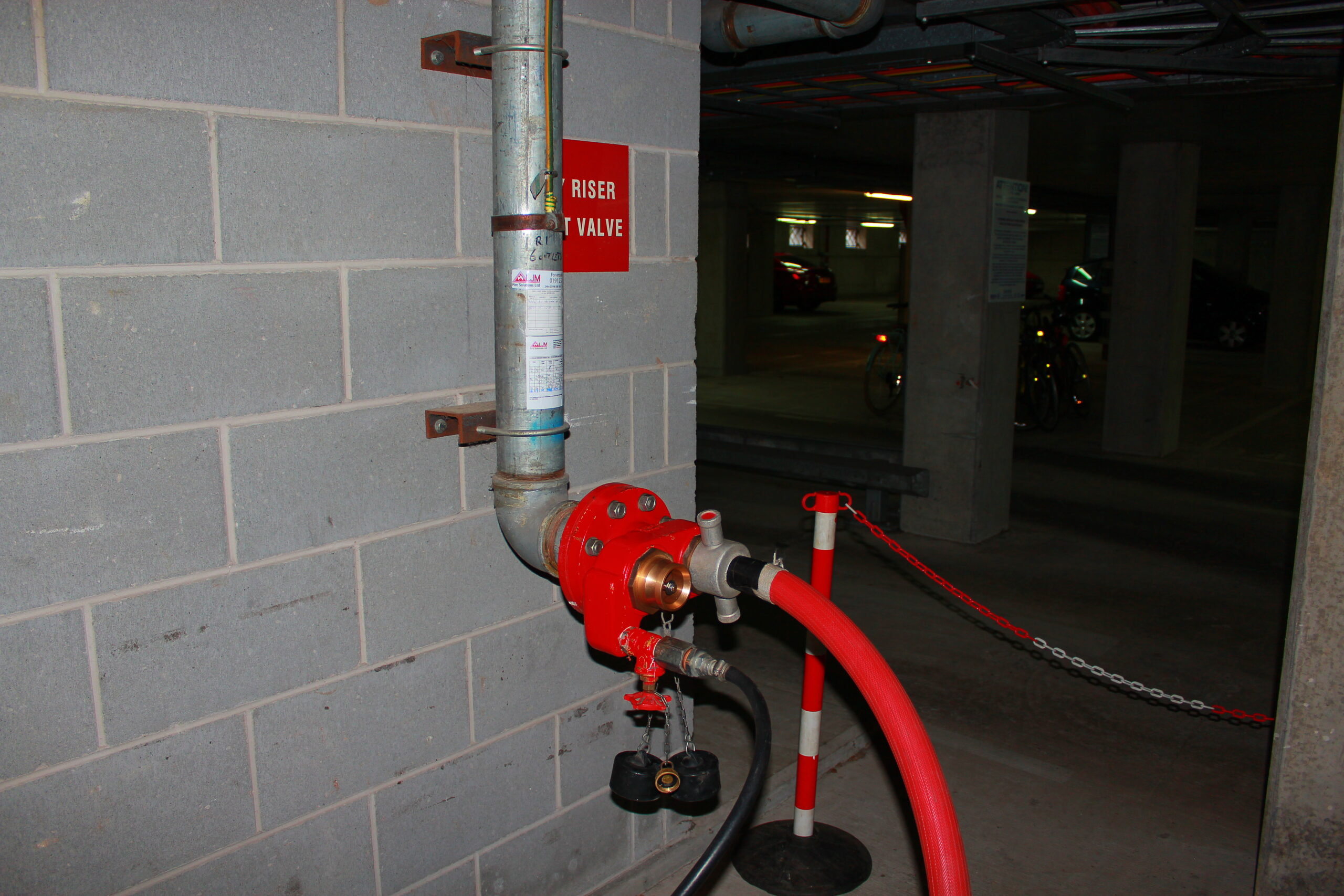
The Imperative of Dry Riser Maintenance
Maintaining dry risers isn’t just advisable; it’s a legal requirement. The Regulatory Reform (Fire Safety) Order 2005 (RRO 2005) mandates that equipment like dry risers undergo a suitable maintenance system. British Standard BS9990:2015 recommends annual pressure testing of the system to its design operating pressure, along with bi-annual inspections of all valves, cabinets, locks, and seals.
Regular dry riser maintenance ensures that the system will operate effectively in the event of a fire, allowing the fire brigade to access and distribute water quickly to upper floors. Without routine inspection and testing, issues such as leaks, corrosion, blockages, or damaged valves can go unnoticed, leading to system failure during an emergency.
For building owners and the responsible person, failure to carry out proper maintenance of dry riser systems can result in non-compliance with fire safety regulations and may invalidate insurance policies if records of servicing and testing are not maintained.
Routine riser maintenance, including visual inspection and pressure testing, helps identify faults early, reduces the risk of costly repairs, and ensures all equipment remains fully operational, compliant, and ready for use.
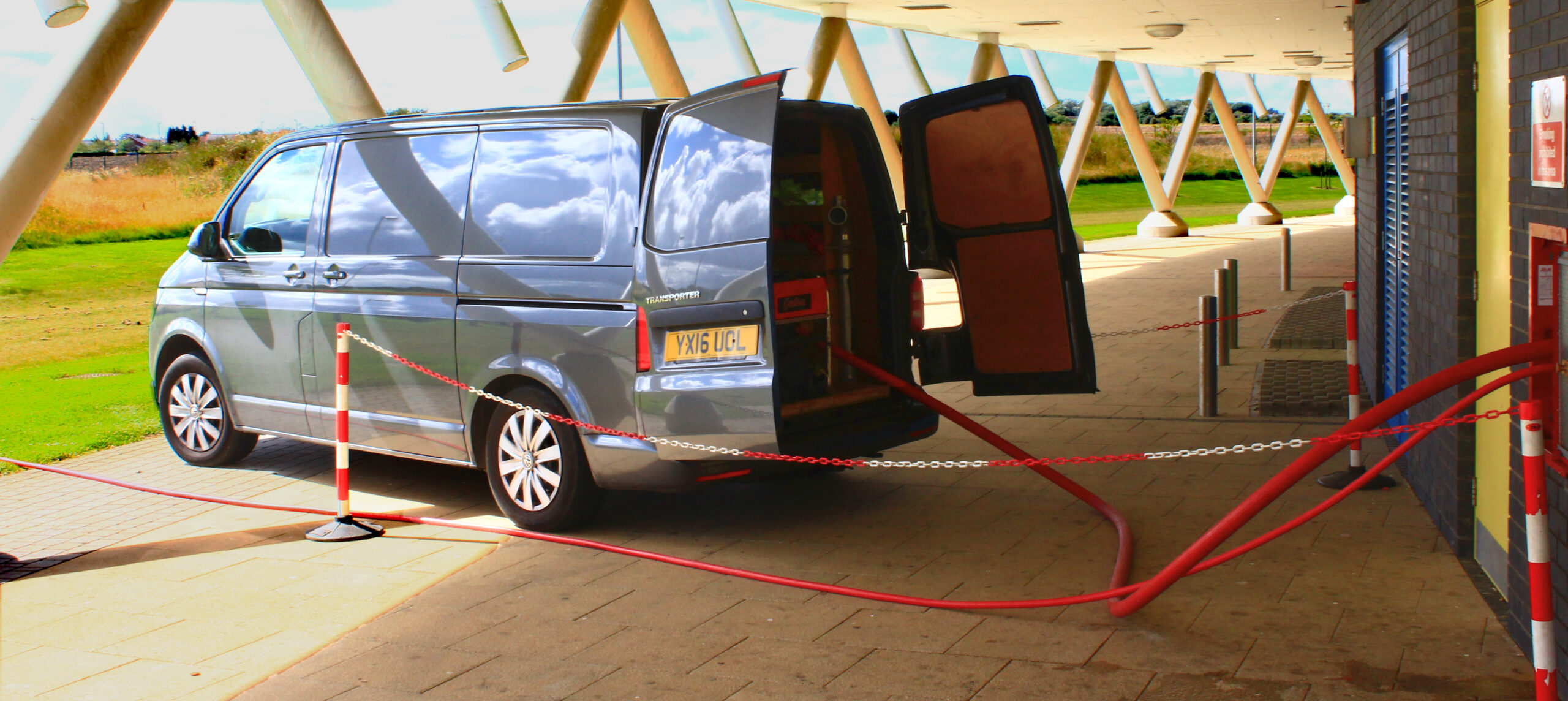

Why Choose LJM Fire Solutions
Our team of experienced engineers at LJM Fire Solutions has been servicing and testing dry riser systems for over two decades. We operate across the UK, delivering compliant dry riser maintenance and riser maintenance services for a wide range of buildings, including high-rise buildings and commercial properties.
You can trust our experienced professionals to deliver high-quality service, with all work carried out in line with current regulations and British Standards, including BS9990:2015. keeping your dry riser system in peak condition, ready to safeguard your property and lives in case of a fire emergency.
As a trusted provider of fire safety solutions, we support building owners and the responsible person with ongoing maintenance, inspection, and certification to ensure systems remain fully operational and compliant.
Contact us today to arrange an inspection, testing, or a full maintenance service for your dry riser system.
Frequently Asked Questions
How often should dry risers be serviced?
Dry riser maintenance in the UK requires a visual inspection every 6 months and a full pressure test annually in line with BS9990:2015. This ensures dry riser systems remain operational and compliant with fire safety regulations. Regular servicing is a legal requirement under the Regulatory Reform (Fire Safety) Order 2005, and failure to maintain dry risers can invalidate insurance.
What is included in dry riser maintenance?
Dry riser maintenance typically includes a visual inspection of valves, landing valves, inlets, pipe work, and cabinets to check for damage, leaks, or vandalism. Engineers will also carry out a pressure test to confirm the system can hold pressure and distribute water effectively during a fire. After testing, the system is fully drained, and a certificate of compliance is issued.
What is the British Standard for dry riser maintenance?
The British Standard for dry riser maintenance is BS9990:2015. It states that dry riser systems must be visually inspected every 6 months and undergo annual pressure testing. These maintenance requirements ensure the system is ready for use by the fire brigade in the event of a fire and remains compliant with UK fire safety legislation.
How do you test a dry riser system?
Dry riser testing involves connecting a water supply at ground level and gradually increasing pressure to 12 bar to check for leaks and system integrity. The pressure test is held for at least 15 minutes to ensure the system performs correctly. All valves and outlets are checked during the process, and a competent person must repair any faults.
Why is dry riser maintenance important for fire safety?
Dry risers are critical fire safety equipment in high-rise buildings, allowing firefighters to pump water to upper floors quickly during an emergency. Without regular dry riser maintenance, faults such as leaks, corrosion, or blockages can prevent the system from operating effectively. Proper maintenance ensures compliance, protects occupants, and supports the fire services in responding to a fire.
Related Services
-
Dry Riser
Install
Enquiry
Let’s talk or fill in our enquiry form today
Have you found what your looking for? Or simply require more information? Don’t hesitate to get in touch today or fill in our enquiry form and we can arrange a call back.
Get in touch