
Introduction to Fire Hydrants and Fire Safety
Fire hydrants are essential for fire safety, providing firefighters, the fire brigade, and the fire and rescue service with access to a reliable water supply during an emergency. Fire hydrants are generally located on public footways, highways and large sites such as industrial estates, hospitals, schools, universities and military establishments.
Depending on where fire hydrants are located, maintenance responsibility may lie with the local water company, local fire authorities where applicable, or the responsible person for the site. Regular hydrant maintenance helps ensure hydrants remain accessible, clearly marked and ready to provide cover in the event of a fire.
Understanding Underground Fire Hydrants
Underground fire hydrants are installed below ground in a hydrant pit and are identified by a yellow hydrant indicator plate, usually positioned nearby. The plate helps firefighters locate the hydrant quickly, while the pit, cover, frame and outlet must remain accessible, secure and free from visible damage.
Hydrant maintenance is essential to keep fire hydrants in good working order and to ensure adequate water pressure and flow during an emergency. For private property, maintenance responsibility lies with the landowner, managing agent or responsible person. Regular inspection, flow tests and prompt remedial action help ensure underground fire hydrants remain ready for the fire and rescue service in the event of a fire.
Fire Hydrant Maintenance Services Newcastle
At LJM Fire Solutions, we specialise in fire hydrant maintenance and fire hydrant testing for underground fire hydrants across Newcastle, the North East and the UK. But what exactly is an underground fire hydrant?
An underground fire hydrant is a below-ground outlet connected to a water supply, usually positioned within a hydrant pit and identified by a yellow “H” hydrant indicator plate nearby. This plate helps the fire and rescue service locate the hydrant quickly in an emergency.
Underground fire hydrants are intended for use by firefighters when they need to obtain water to tackle a fire. A fire engine can only carry a limited amount of water, so crews may need to connect hoses to a hydrant to access water from the local mains supply or private water mains.
During maintenance, the hydrant pit, cover, frame, outlet and surrounding surface are inspected for access issues, corrosion, debris, visible damage and general condition. Occasional maintenance, including flushing fire hydrants, helps clear sediment, rust and debris that could affect water flow or delay emergency use.
How Does This Affect You?
For many large sites, including business parks, schools, universities, hospitals, car parks, industrial estates and military establishments, underground fire hydrants may be installed during the construction phase to provide suitable fire safety cover.
Fire hydrants located on private land and connected to private water mains can be especially important in remote locations or large sites where a public hydrant may not be available nearby or within the required vicinity. In an emergency or in the event of a fire, privately owned fire hydrants may provide the nearest reliable water supply, allowing firefighters to access water quickly and connect hoses without delay.
Maintaining private fire hydrants to BS 9990:2015 standards is the responsibility of the landowner, managing agent or responsible person. A current certificate of compliance, clear inspection records and prompt remedial action help demonstrate that the site is maintaining its fire hydrants in line with British Standards, fire safety duties and relevant legal requirements.
Hydrant Testing Procedures
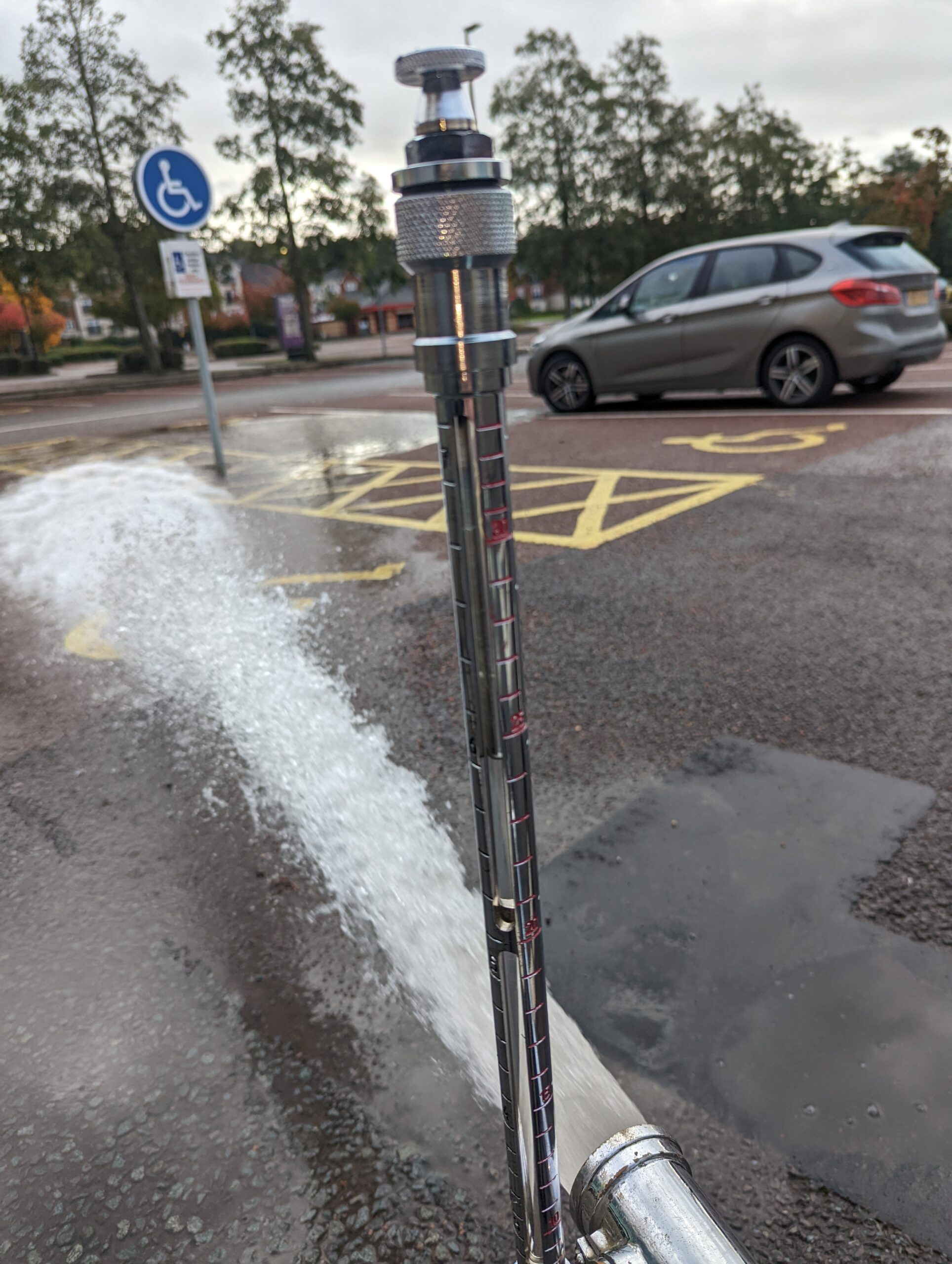
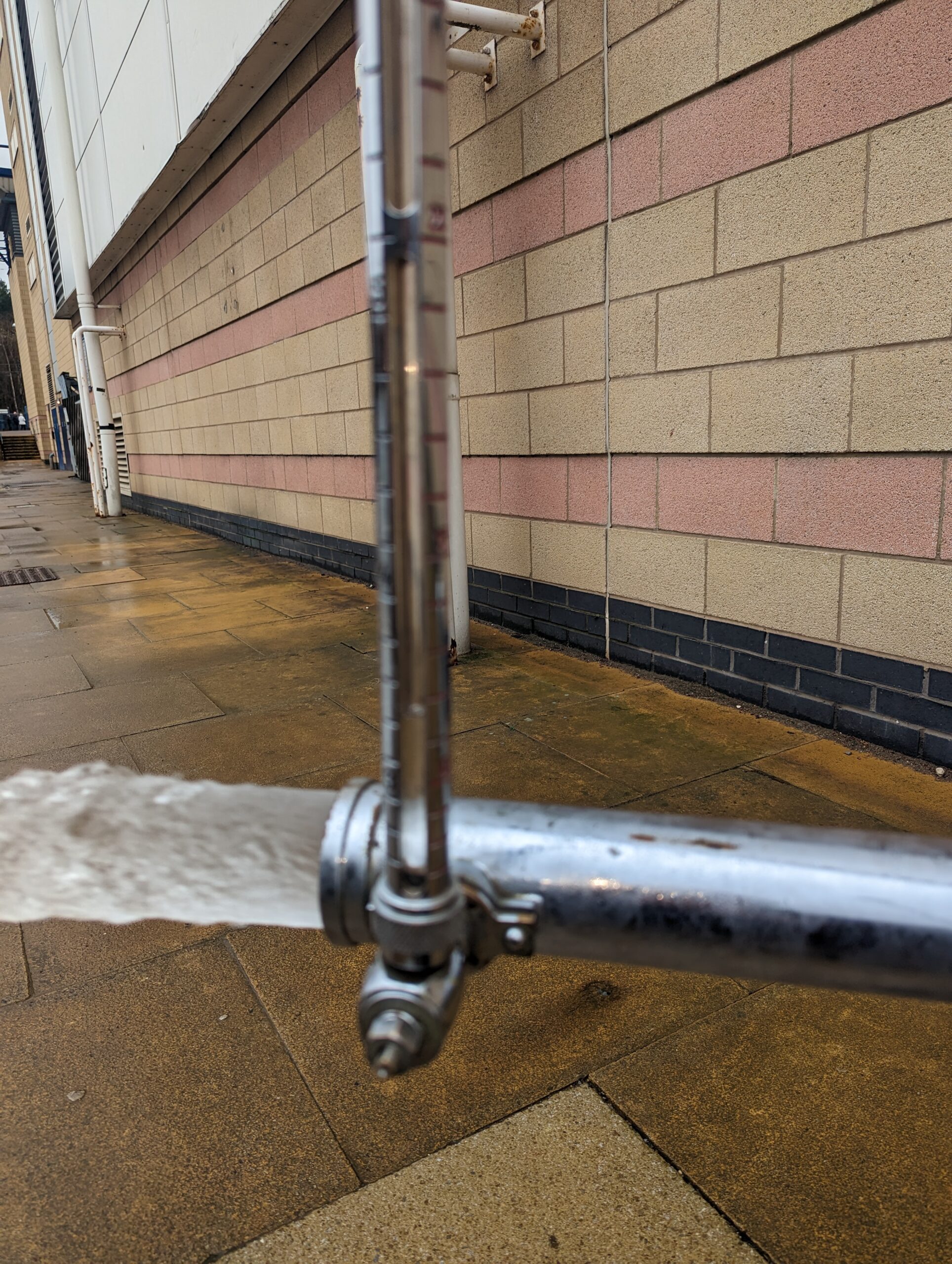
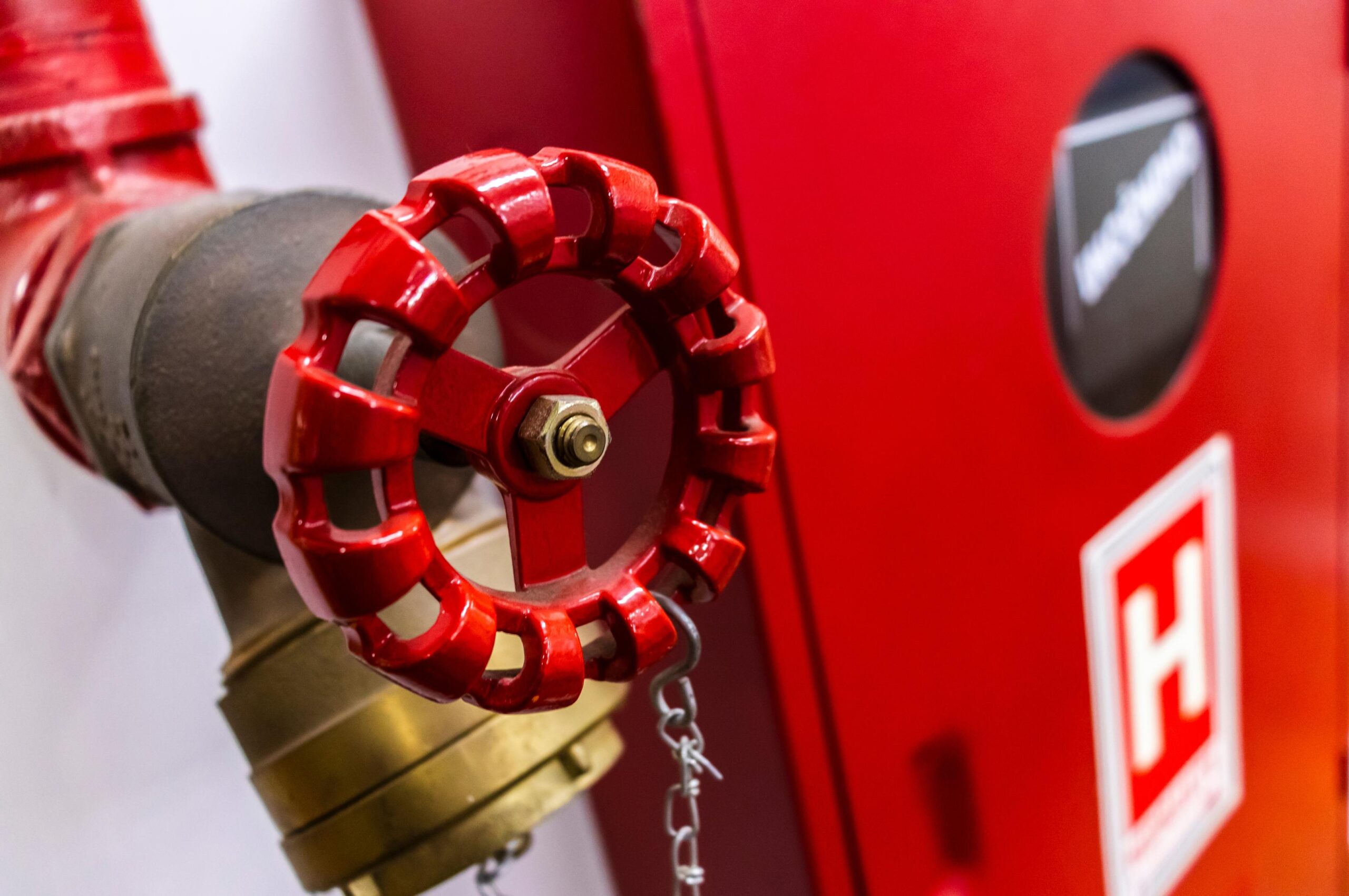
Hydrant testing is carried out in accordance with BS 9990:2015 and includes a fire hydrant flow test to measure flow and pressure. This helps confirm that each fire hydrant is accessible, safe to operate and in good working order. Fire hydrants require regular inspection and testing to help maintain performance and compliance.
The inspection and testing procedures are carried out as follows:
Above Ground Inspection – checking the hydrant indicator plate, signage, access, cover, frame, surrounding surface and any visible damage.
Below Ground Inspection – checking the hydrant pit, depth, outlet, frost valve where fitted, pit condition and debris build-up.
Wet Test – flushing the hydrant to clear sediment and debris, checking valve glands and joints for leaks, and lubricating the operating nut and nozzle cap threads where required.
Static Test – recording static pressure.
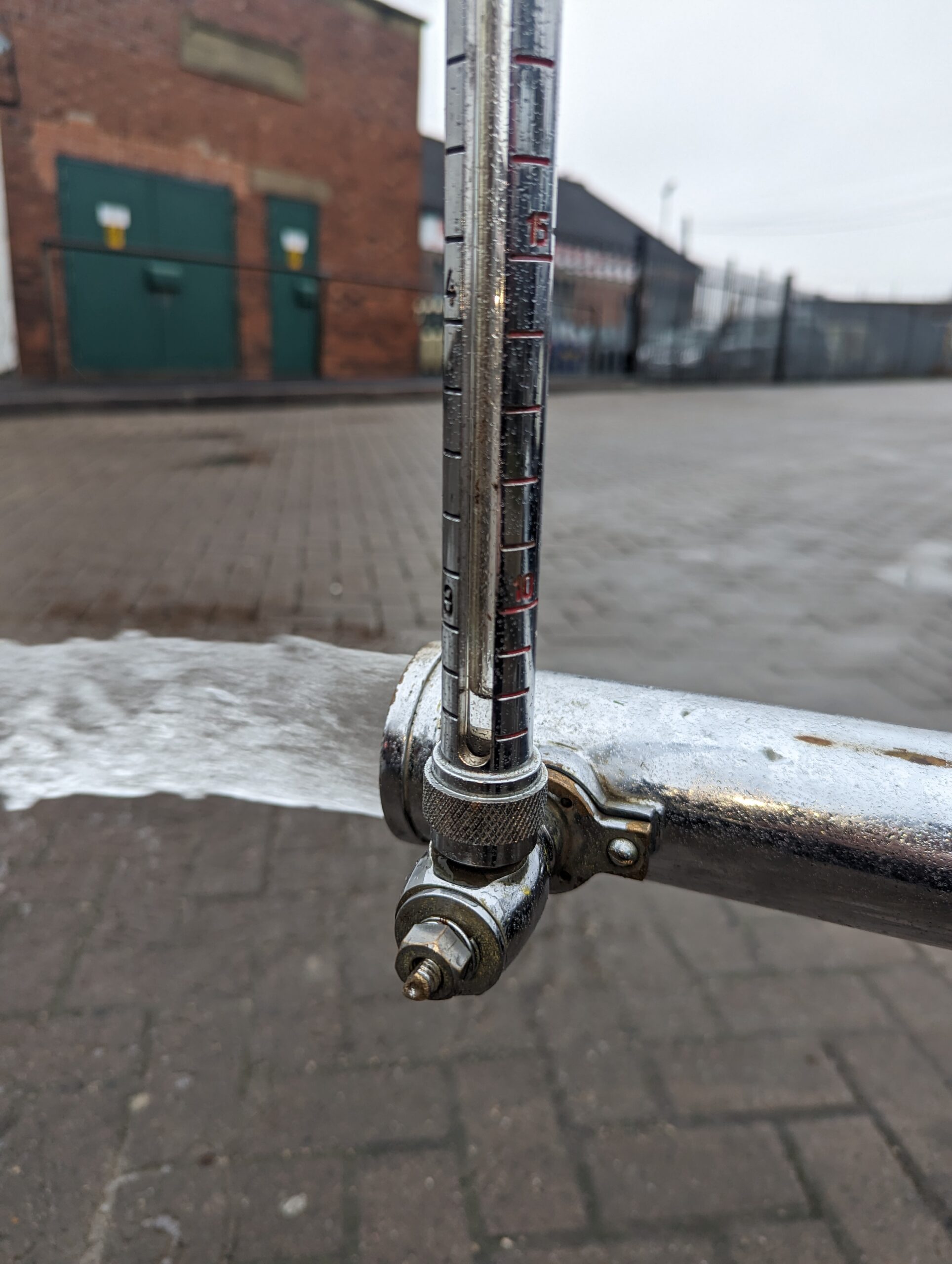
Fire Hydrant Flow Test – recording water flow and pressure readings to assess the available water supply.
Valve Operation – operating the valve fully to check safe function and help prevent issues that could delay firefighting efforts.
After each inspection or test, a detailed report is provided, recording the condition of the hydrant, any defects found and any remedial action required. Record-keeping of inspections, repairs, flow tests and test results is essential for compliance and for tracking the maintenance history of private fire hydrants.
Upon completion, the site will be issued with a certificate of compliance to BS 9990:2015, confirming that your underground fire hydrants meet the necessary standards.
Why Choose LJM?
When it comes to underground fire hydrant testing, LJM provides a reliable, compliant and practical maintenance service for commercial and industrial sites.
- Over 40 years of experience in fire protection, with proven experience in hydrant testing and recording
- Engineers hold current National Water Hygiene cards
- Equipment is rigorously cleaned using Water Authority-approved solutions
- Equipment is tested and calibrated where required
- Comprehensive maintenance and service contracts are available for private fire hydrants
- Detailed reports are provided for maintenance, testing, repairs and compliance records
Our team helps ensure your fire hydrants remain accessible, operational and ready to support the fire and rescue service in an emergency.
Summary
LJM Fire Solutions provides fire hydrant maintenance, fire hydrant testing and fire hydrant flow test services for underground fire hydrants across Newcastle, the North East and the UK. Regular hydrant maintenance helps ensure private fire hydrants remain accessible, compliant, in good working order and ready to support the fire and rescue service in an emergency.

FAQ’s
Who is responsible for private fire hydrant maintenance?
For fire hydrants located on private property or connected to private water mains, maintenance responsibility lies with the landowner, managing agent or responsible person for the site.
How often should fire hydrants be inspected and tested?
Fire hydrants require regular inspection and testing in accordance with the relevant British Standards and site fire safety requirements. LJM can provide comprehensive maintenance and testing to help keep hydrants in good working order.
What is included in a fire hydrant flow test?
A fire hydrant flow test records water flow and pressure readings to assess the available water supply and confirm that the hydrant can support firefighting operations in an emergency.
Do privately owned fire hydrants need a certificate of compliance?
Yes. A certificate of compliance helps demonstrate that privately owned fire hydrants have been inspected and tested in accordance with BS 9990:2015.
Related Services
-
Fire Hydrant
Install
Enquiry
Let’s talk or fill in our enquiry form today
Have you found what your looking for? Or simply require more information? Don’t hesitate to get in touch today or fill in our enquiry form and we can arrange a call back.
Get in touch